Black History Month: Honoring the Past, Living the Legacy
Wednesday, February 25, 2026
As Black History Month comes to a close, YWCA Delaware reflects on a powerful truth: Black history is America’s history — and it is living history. The stories of courage, leadership, and resilience we honor this month are not confined to the past. They continue to shape our communities and guide our work every day.
Throughout February, we joined YWCAs across the country in uplifting pivotal moments in YWCA history that advanced equity for Black women and families. These stories remind us that progress is made when people refuse to accept injustice and instead work to change it — echoing the words of Angela Davis: “I am no longer accepting the things I cannot change, I am changing the things I cannot accept.” Black History Month
For more than a century, the YWCA movement has been part of the struggle for justice, freedom, and dignity. From creating safe and empowering spaces for Black women and girls, to opening doors that were once closed, to advocating for civil rights and voting access, YWCA has stood alongside communities working toward a more equitable future. Black History Month
These moments in history are reminders that change is possible and that each generation plays a role in moving equity forward. The work continues today through safe housing, crisis response services, economic empowerment programs, and community education initiatives that help individuals and families build stable and secure futures.
Black History Month may end in February, but the work of building equity and opportunity continues all year long. By honoring the past and investing in the future, we continue the legacy of those who fought for justice before us.
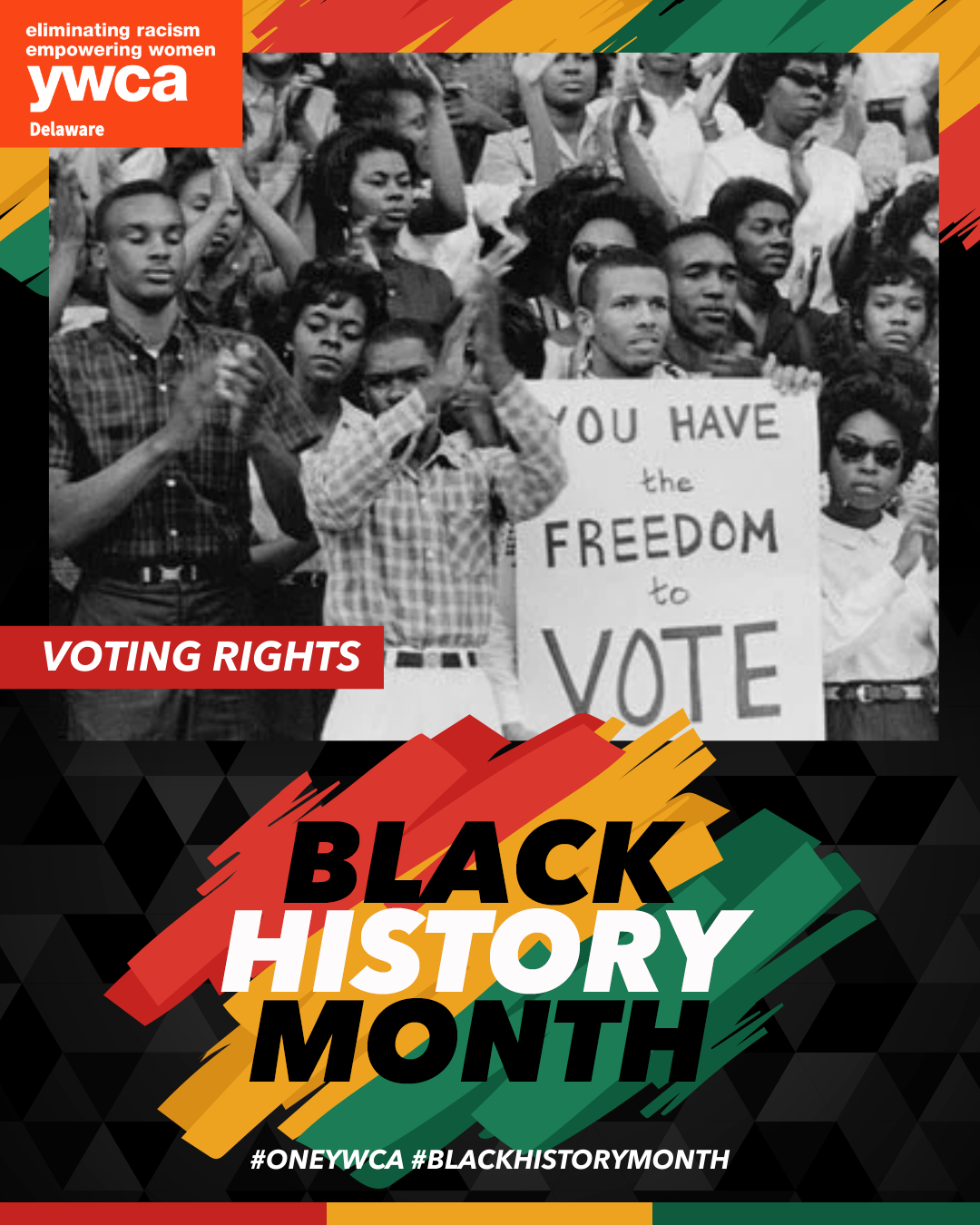
In the 1980s, the fight for fair voting rights was alive and urgent. YWCA continued to stand strong, championing the preservation of the Voting Rights Act and defending efforts to ensure everyone’s voice is heard in democracy. Change is a journey, and we’re in it together. Learn more here.
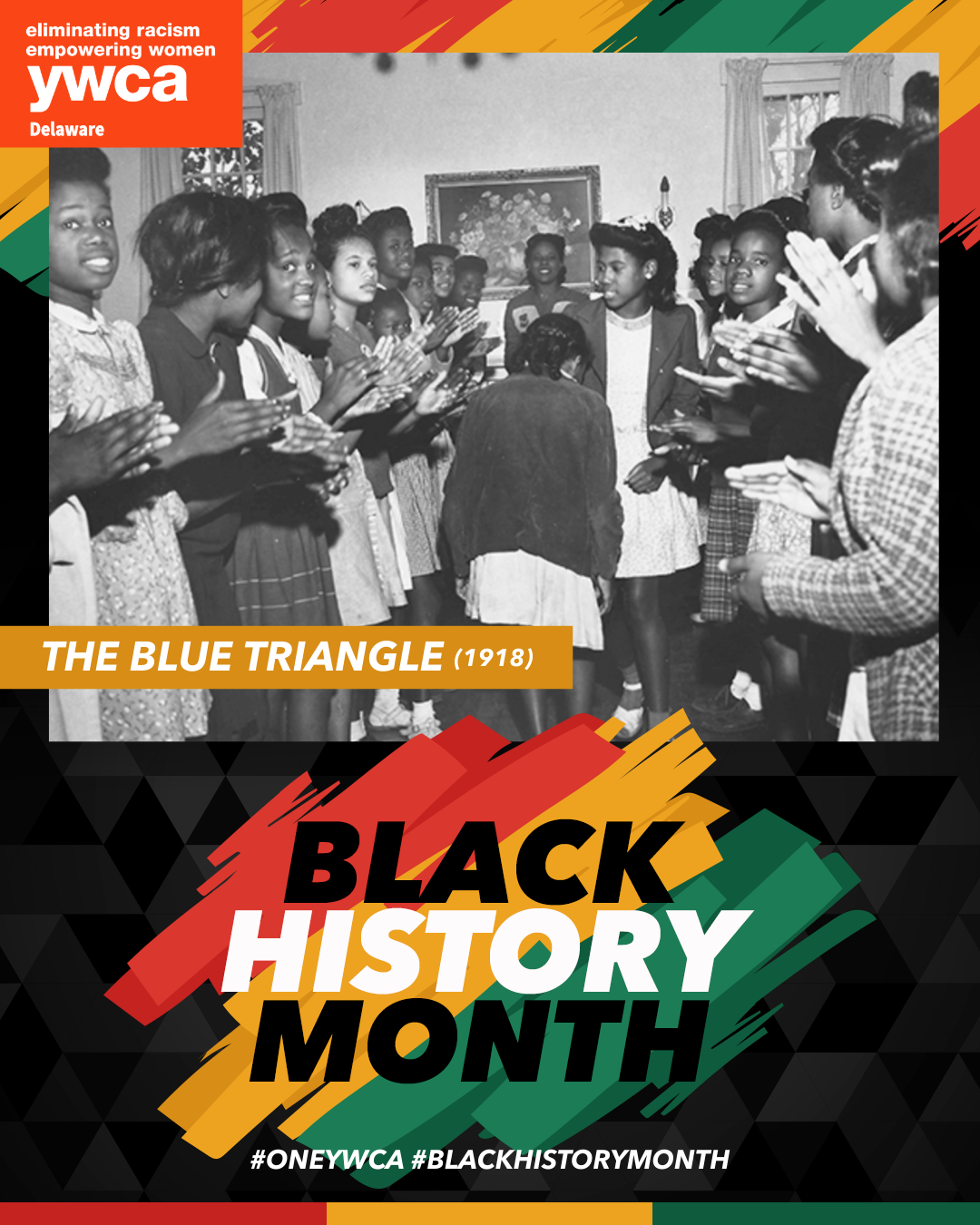
Imagine a time when women and girls of color needed a safe haven, a place to gather, learn, and grow. The Blue Triangle opened it first branch in Houston, Texas in 1918 during World War I and was sponsored by the National YWCA. It became that vital community space, empowering countless women to thrive and find their voice through campsites providing recreation for young girls of color. Learn more here.
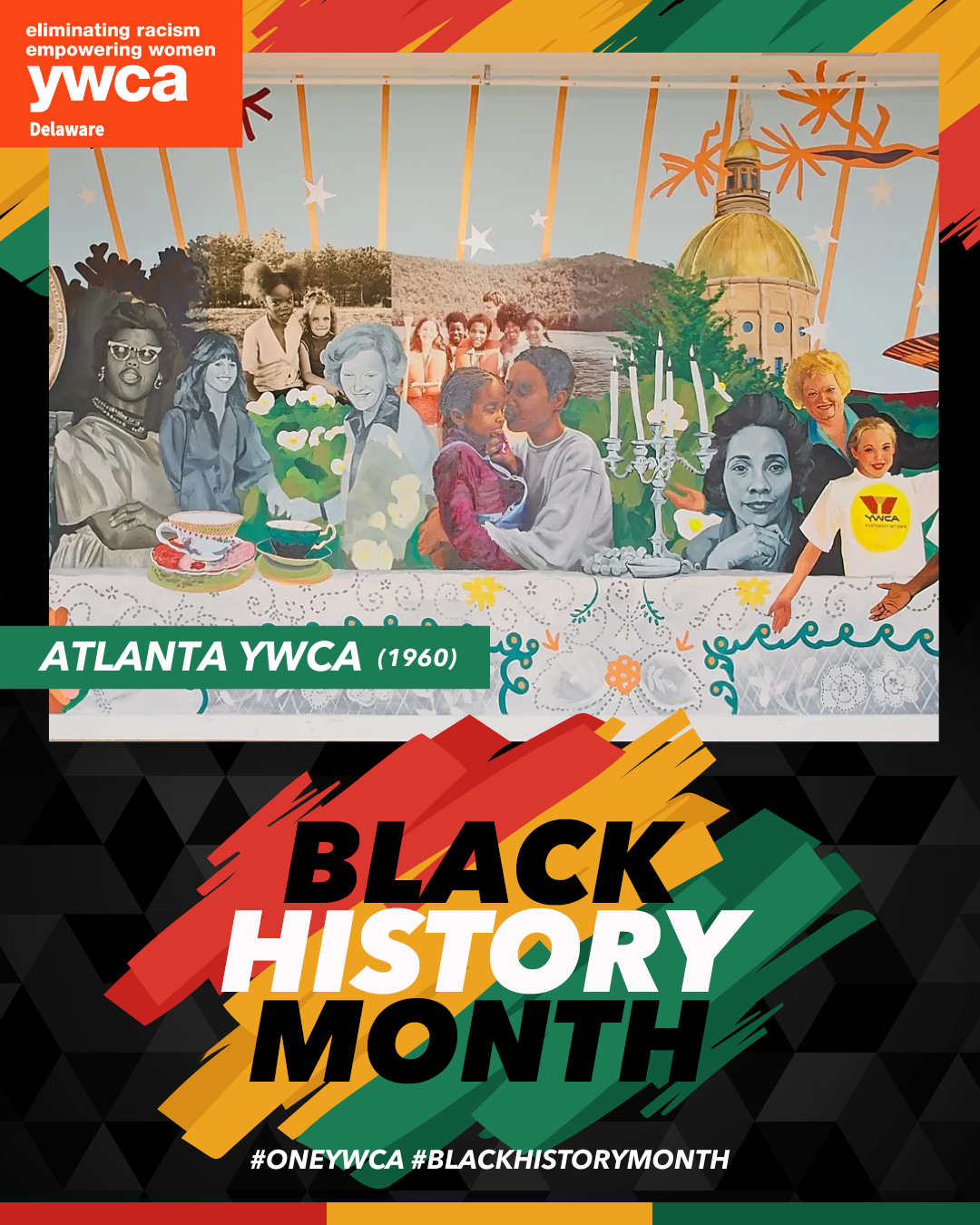
The first YWCA association in Atlanta was founded in a living room. By 1904, the group had a gymnasium and boarding home. In 1919, the Phillis Wheatley Branch was established, and in 1960, YWCA Atlanta’s cafeteria became the city’s first integrated public dining facility. Learn more here.
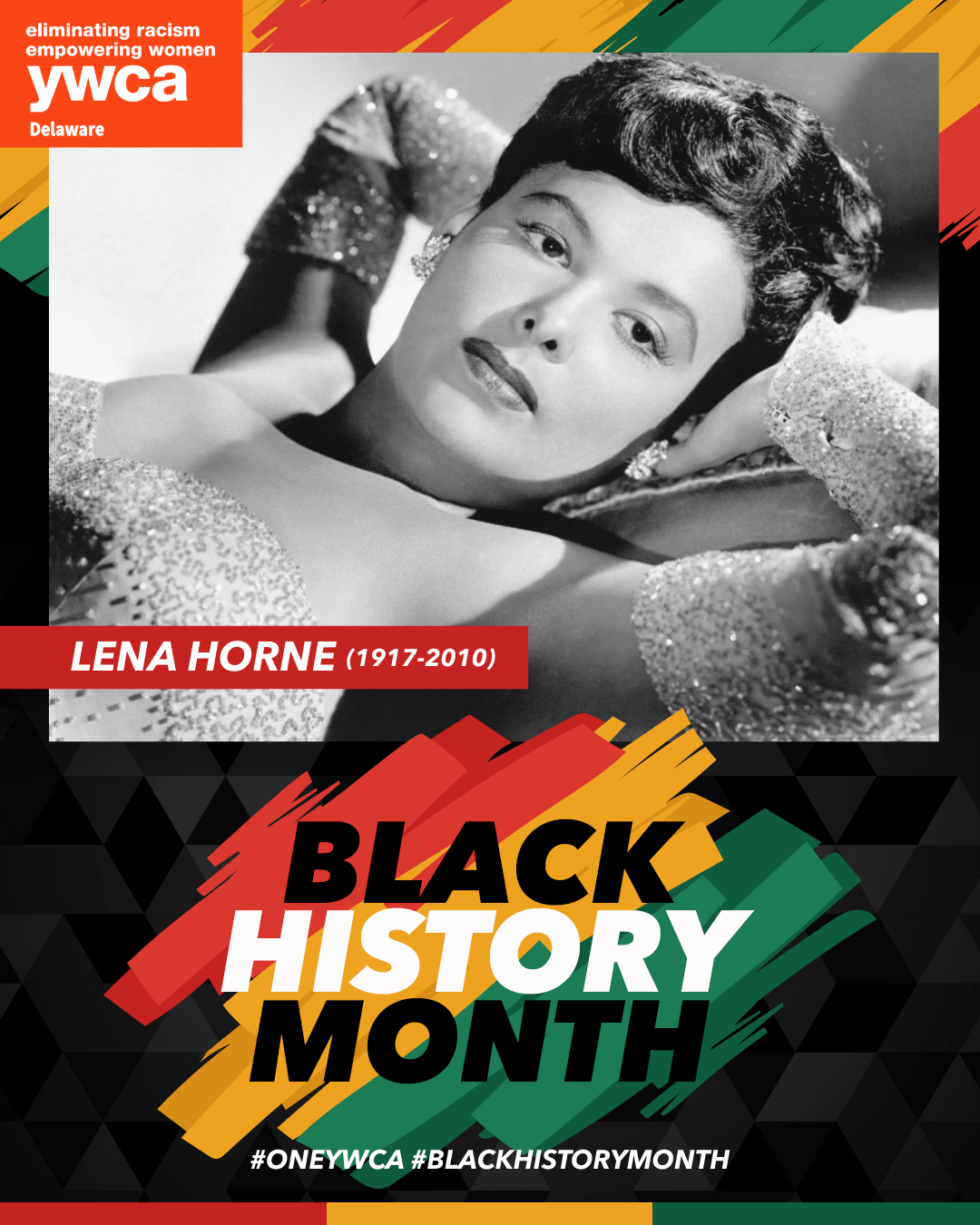
Lena Horne (1917–2010) wasn’t just a dazzling entertainer; she was a fierce advocate for social justice. Her grandmother Cora Calhoun Horne (1865-1932), a civil rights activist and suffragist, raised Lena with her fiery spirit. Cora organized with YWCA’s Red Cross Unit and collaborated with YWCA inspiring Lena to do the same. In her success, Lena would help YWCA campaigns to uplift marginalized communities. They prove that YWCA succeeds through generational influence. Learn more here.