This November, we are celebrating Native American Heritage Month by recognizing the accomplishments of our Indigenous sisters that have pushed YWCA’s mission to eliminate racism end empower women forward. Each one paved the way in fields from medicine, science, education, activism, and leadership. Join us as we highlight their inspiring stories and honor their enduring legacy.
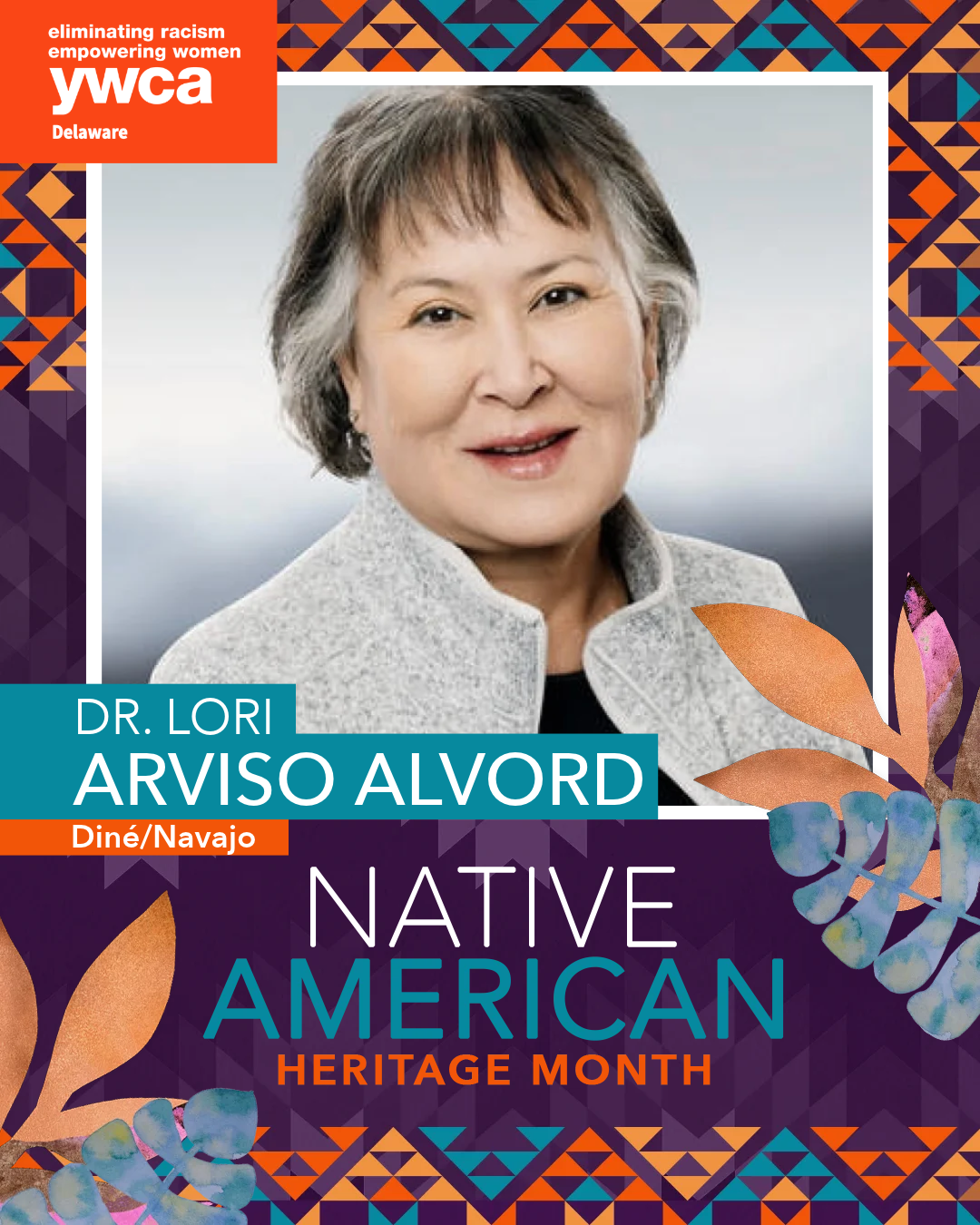
Born in Crownpoint, New Mexico, Dr. Lori Arviso Alvord made history as the first Navajo woman to become a board-certified surgeon. She is a visionary medical pioneer celebrated for bridging modern Western surgery with traditional Navajo healing philosophies. Her work focuses on creating holistic, welcoming hospital environments that treat both the body and the mind.
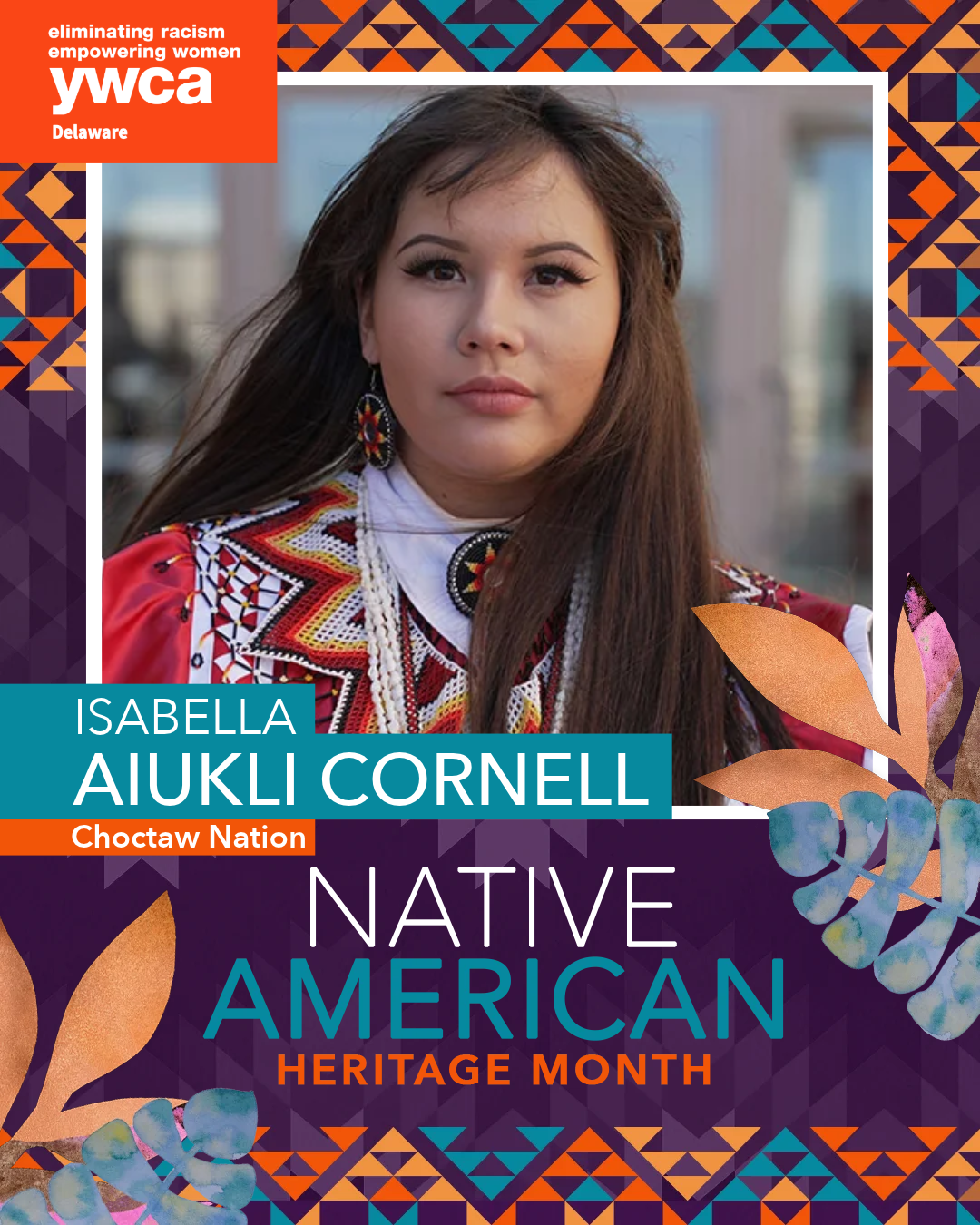
She is a youth activist fighting the epidemic of violence against Indigenous women. At just 14 years old, she began organizing with Matriarch, an inter-tribal non-profit that creates safe spaces and mutual support networks for Native women surviving domestic abuse. In 2018, she brought this grassroots cause to the national stage by using her high school prom dress as a vehicle for social change. Her striking red gown—the symbolic color of the Missing and Murdered Indigenous Women (MMIW) movement—honored victims of domestic abuse and called out the systemic lack of justice for Indigenous women. Her activism proved so culturally significant that her dress was inducted into the permanent collection of the Smithsonian National Museum of American History.
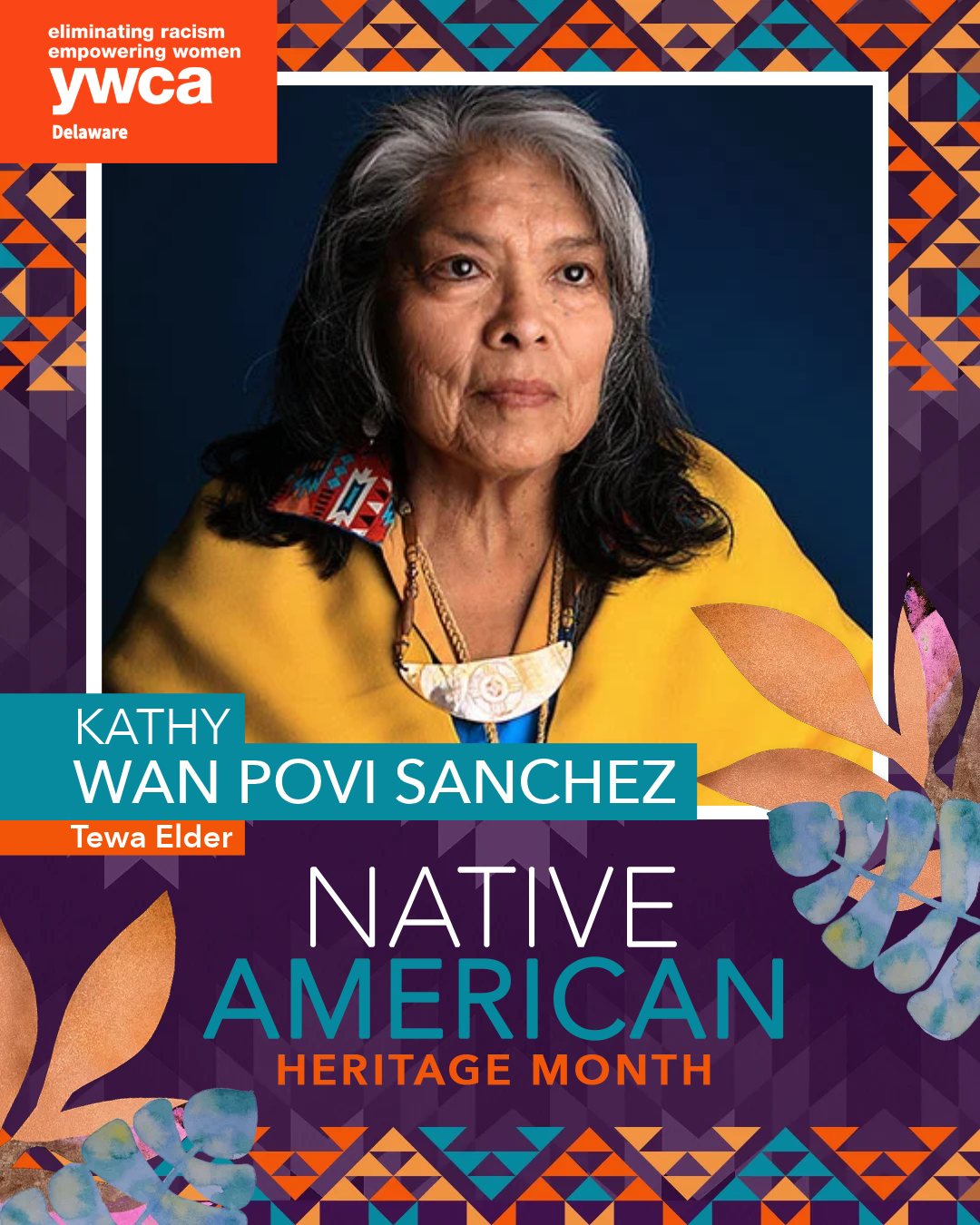
She is a Tewa elder, traditional blackware potter, and spirit-rooted social activist who has spent over three decades fighting domestic and sexual violence in Northern New Mexico. In 1989, she co-founded Tewa Women United (TWU), an intertribal organization that grew out of a desperate need for a safe space where Pueblo women could speak out against domestic abuse and the generational trauma of colonization. Rather than relying strictly on Western intervention models, she developed culturally grounded healing frameworks, such as the "Two-World Harmony, Butterfly Model," to help survivors reclaim their self-determination, heal from trauma, and build safe, violence-free families.
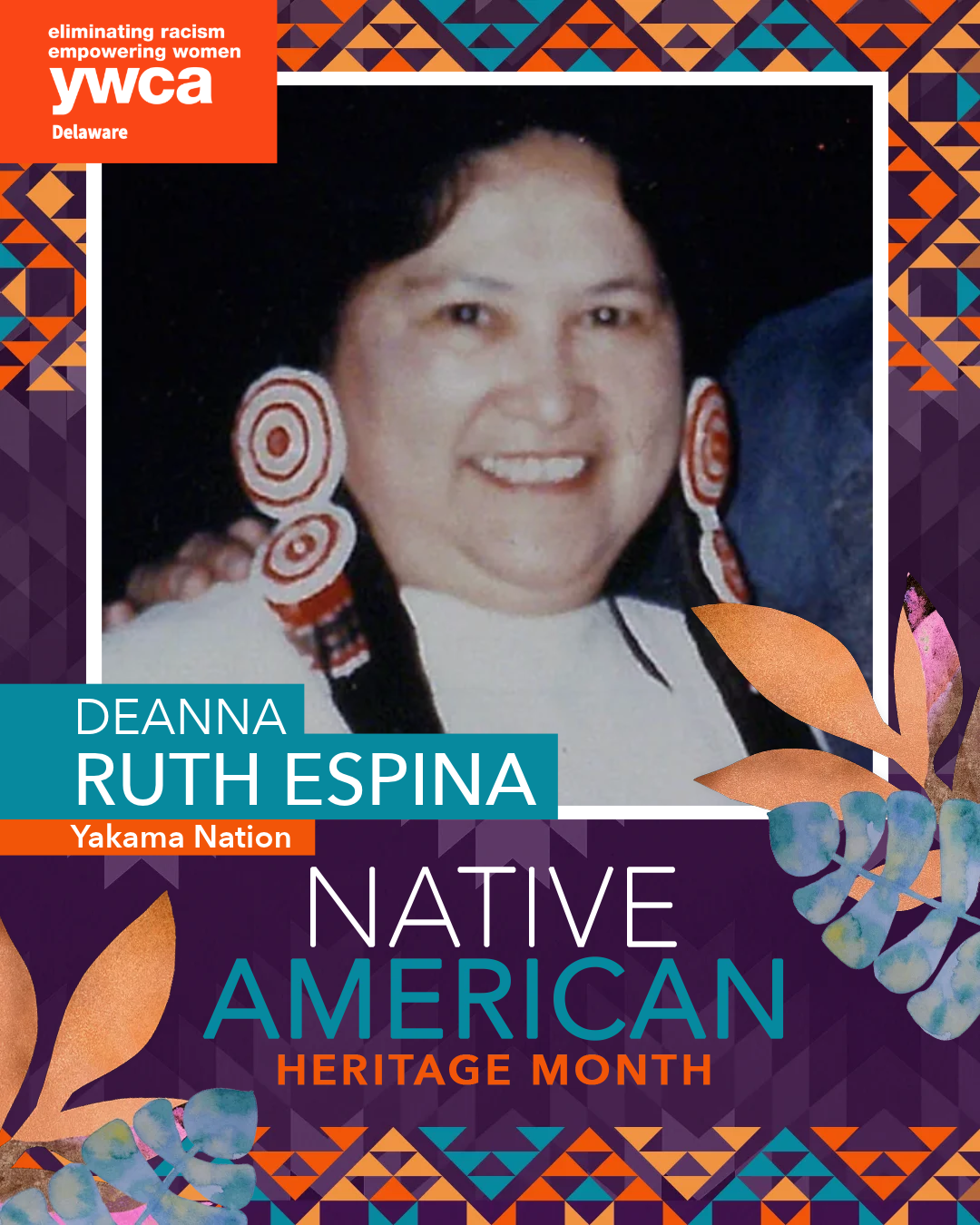
Deanna was an influential educator, community advocate, and member of the Yakama Nation who dedicated her life to expanding Native American recognition and education. Born in San Francisco during the government’s American Indian Urban Relocation Program, she later became a long-time resident of San Lorenzo, California. In 1993, Espina made history when she was inaugurated as one of the very first Native American women elected to the National Board of YWCA USA, breaking critical leadership barriers for Indigenous representation.
Beyond her national advocacy, she had a massive local impact managing the San Lorenzo School District's Title IV Indian Education Program. Over a three-decade career, she built a Native American Museum and personally delivered cultural heritage presentations to more than 35,000 students. Recognized as the "Administrator of the Year" by the National Indian Education Association and honored by the U.S. Department of Education, her lifetime of service was officially entered into the Congressional Record by Congressman Pete Stark in 2010.